
The Legislative Landscape Ahead
The Wyoming Legislature’s interim committees are in full swing, tackling dozens of topics. For outdoor recreation, several key issues are on the table this summer. With the 2026 Budget Session just months away, remember: any bill outside the budget will need a two-thirds vote just to be heard. The work being done now in committee is critical to ensuring investment in outdoor recreation remains a priority.
Non-Motorized Recreational Trail Fees
Draft Bill 26LSO-0115 authorizes State Parks to implement a permit system for bicycles and Class 1 e-bikes on designated trails within State Parks. All permit revenue would be deposited into a new account for trail maintenance, signage, facilities, and safety education—usable for projects on state-managed lands or within five miles of them.
Bill details as of 8/12/25:
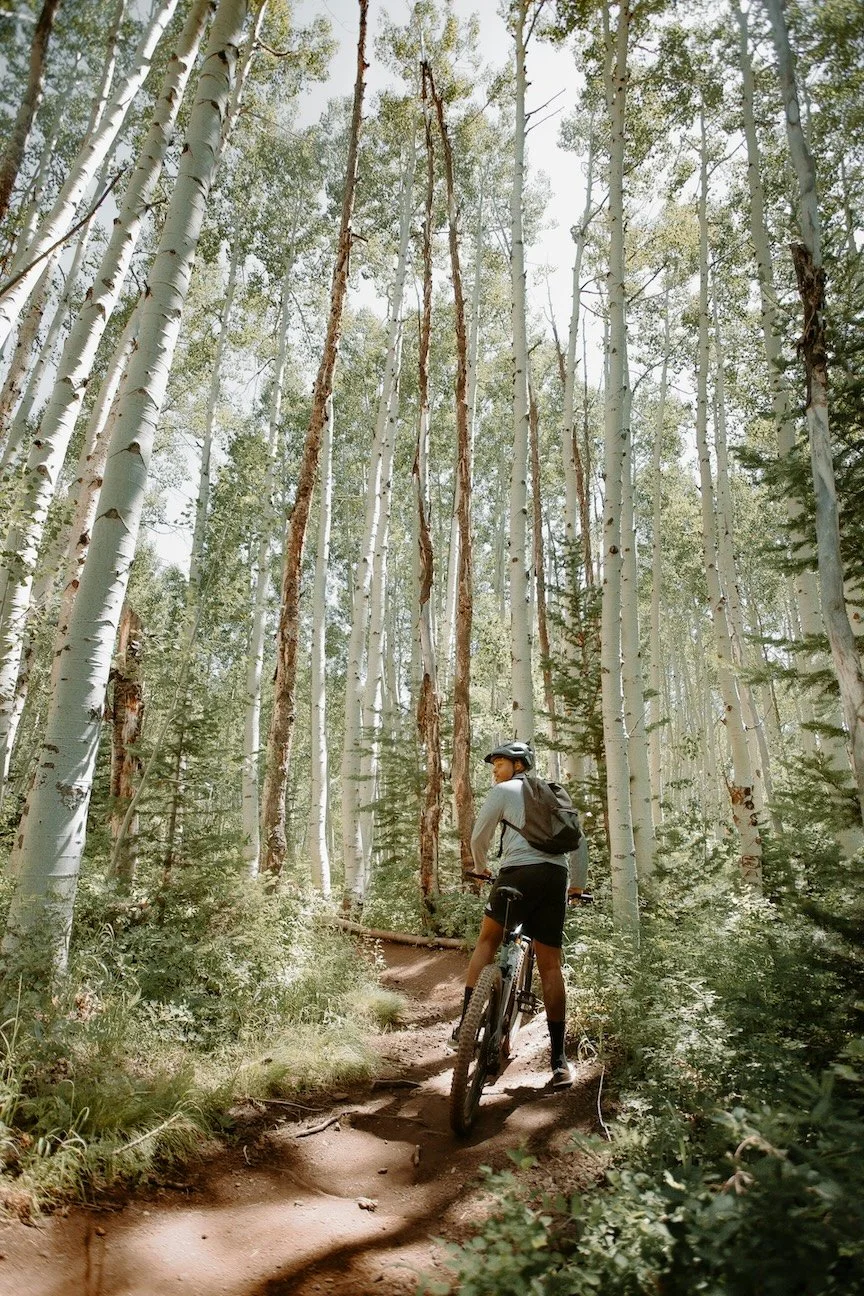
Permit Fee: Annual $10 resident / $20 nonresident or daily $5 permits for designated trails.
Youth Exemption: Riders under 18 years old would not need a permit.
Advisory Input: Spending decisions would be made in consultation with the Wyoming Trails Advisory Council.
Implementation Date: July 1, 2026.
Why this matters: Requests for motorized trails—both within State Parks and in nearby communities—is a common topic of conversation. Without a dedicated revenue stream, these projects often stall due to limited maintenance budgets and competing funding priorities. This legislation would create a sustainable, recurring funding source to maintain and improve Wyoming’s non-motorized trail network, ensuring existing trails remain safe and accessible while allowing for thoughtful expansion.
Gaming Proceeds for Outdoor Recreation
Draft Bill 26LSO-0114 would direct half of Wyoming's sports wagering revenue to help fund the Outdoor Recreation & Tourism Trust Fund. The Trust Fund will begin awarding grant funding in 2026 and this legislation would drive additional revenue for outdoor recreation opportunities across Wyoming.
Bill details as of now 8/12/25:
Revenue Allocation: After dedicating the first $300,000 to county health programs targeting problem gambling, half of the remaining sports wagering revenue will be directed into the WY Outdoor Recreation & Tourism Trust Fund.
Funding Uses: These funds may be used for planning, design, construction, and maintenance of outdoor recreation infrastructure; acquisition of public access easements; and covering administrative expenses.
Effective Date: July 1, 2026.
Why It Matters: This legislation creates a reliable, growing revenue stream to support recreation infrastructure, improve public land access, and bolster trust fund resources—all key to expanding opportunities for outdoor activity and tourism.
Corner Crossing Clarification
Draft Bill 26LSO-0118 would clarify that corner crossing between adjacent public land parcels is NOT trespassing, provided no damage occurs to adjacent private property. This addresses one of the most significant barriers to public land access for outdoor recreation.
Bill details as of 8/12/25:
Trespass Exception: Allows people to move between two adjacent parcels of public land (state, federal, or local government-owned) that they are authorized to access, by crossing at the shared corner.
Added to Game & Fish Laws Too: Applies the same exception to game-and-fish trespass statutes, ensuring the rule covers hunting, fishing, and wildlife-related access as well.
Effective Date: If passed, the bill would take effect right away—no waiting period.
Why It Matters: This legislation removes ambiguity around corner crossings, improving lawful access to public lands—especially critical for recreationists, hunters, anglers, guides, and businesses that rely on clear, safe routes across public parcels.
"Come Home" and Native Hunting Licenses
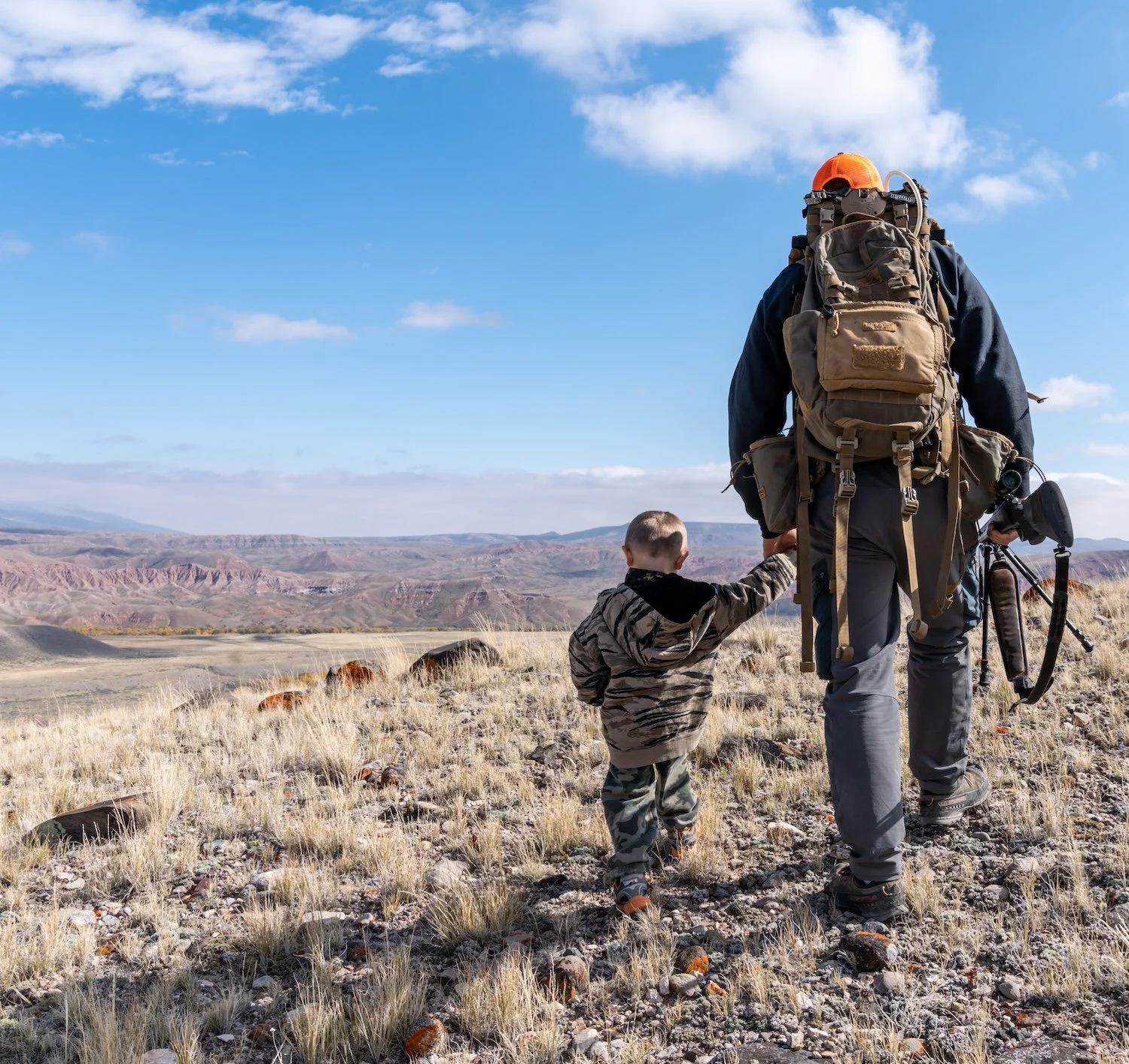
Draft Bills 26LSO-0116 & 26LSO-0117 create discounted hunting licenses (50% of nonresident fees) for former Wyoming residents and Wyoming natives living out of state.
Bill details as of 8/12/25:
New License Category: Up to 500 “come home” hunting licenses per big game species may be issued annually.
Eligibility Requirements: Applicant must be a nonresident, at least 18 years old, who has previously held a Wyoming resident hunting license. Must be sponsored by a Wyoming-resident family member (18+) who currently holds—or held in the past year—a valid resident hunting license. Applicants must hunt alongside their sponsor. The WY Game and Fish Commission would establish formal rules.
Effective Date: July 1, 2026
Landowner Hunting Licenses
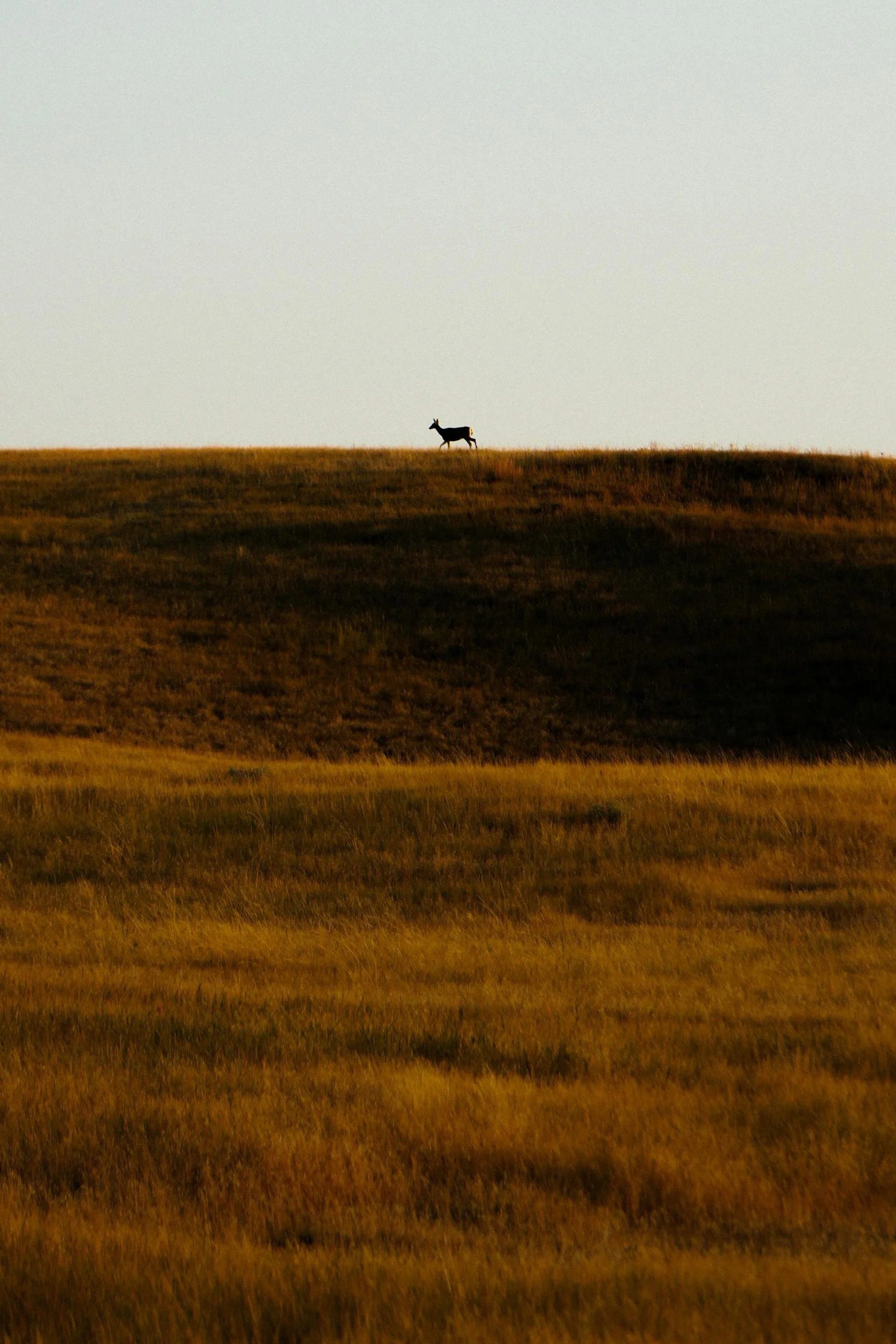
A controversial proposal debated during the June legislative hearing would allow Wyoming landowners to sell their hunting tags on the open market. Supporters say this would help ranchers and large landowners offset agricultural operating costs and reward them for providing habitat that benefits big game. Opponents warn it could commercialize wildlife, reduce fairness in tag allocation, and undermine Wyoming’s wildlife management traditions.
Next Steps:
The Joint Agriculture, State, and Public Lands & Water Resources Committee is scheduled to meet again at the end of the month, where Angela Bruce, Director of the Wyoming Game & Fish Department, will provide new updates on landowner license rules and potential changes.
Upcoming Meeting:
August 28-29, 2025
8:30 AM
Thyra Thomson State Office Building, Round House Conference Room, 3rd Floor, Room 3024
444 W Collins Drive
Casper, Wyoming
Wildfire Response, Prevention, and Management Funding
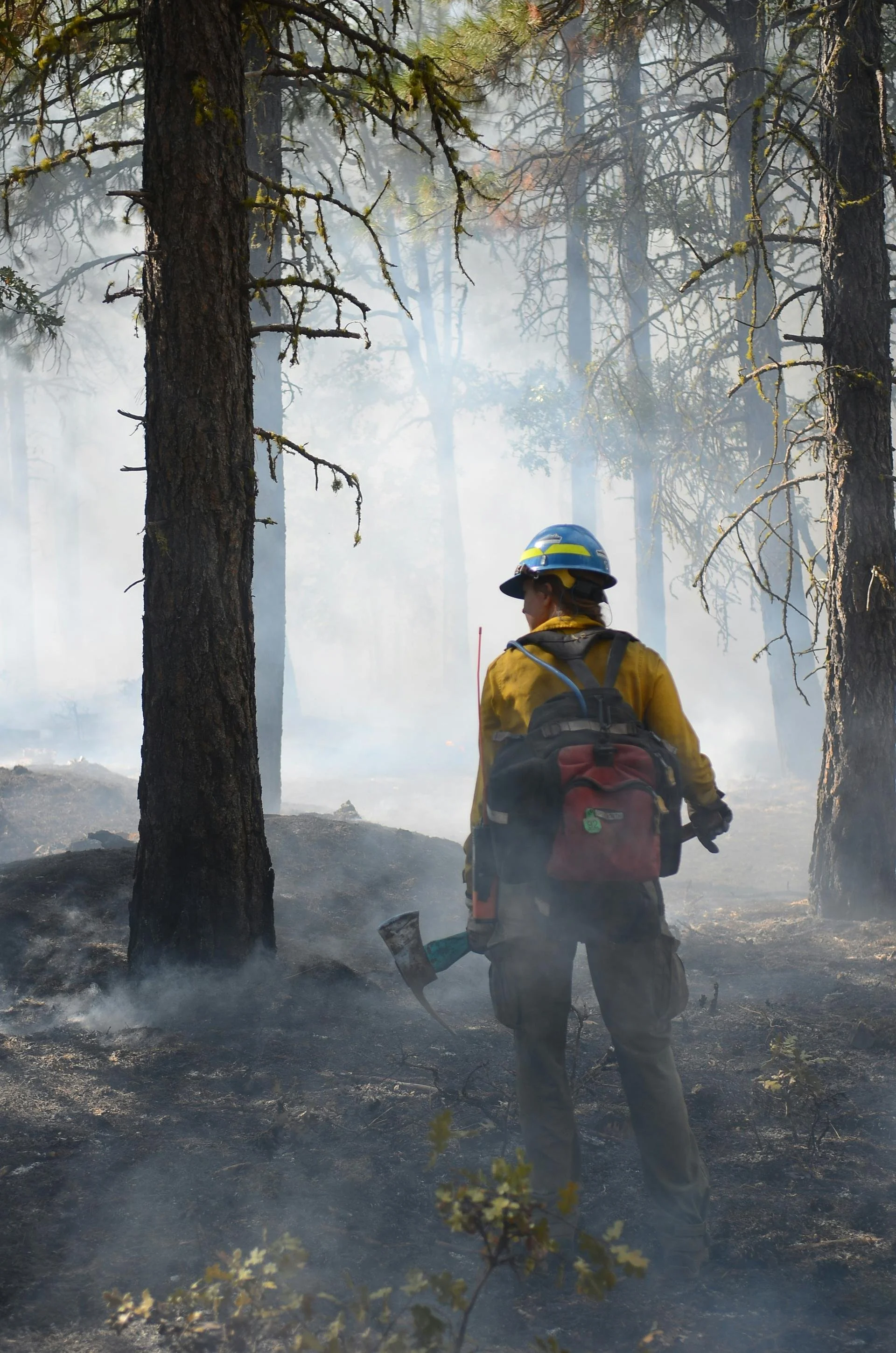
The Appropriations Committee is reviewing a proposal to expand Wyoming’s wildfire prevention and suppression capacity. The plan would create four regional fire suppression modules with full-time leadership, crew supervisors, seasonal firefighters, and additional fire management staff.
Why It Matters: This could enhance wildfire response capacity, helping to reduce damage to recreation areas, shorten trail and site closures, and improve visitor safety—while protecting the businesses and communities that depend on outdoor recreation in fire-prone regions.